Cofan’s thermal pads and grease are materials used to enhance the thermal conductivity between heat-generating components and their heat sinks, ensuring efficient heat transfer. A thermal pad is a solid, compressible material made from silicone or other polymers, often filled with thermally conductive materials such as metal oxides. It is used to bridge the gap between a heat source (like a CPU or GPU) and a heat sink. The pad conforms to the surface irregularities of both components, providing a consistent thermal interface. Thermal pads offer ease of use, simple application and removal, and reusability when components are disassembled and reassembled. They provide a uniform thickness, ensuring even contact across the surfaces. However, they generally have lower thermal conductivity compared to thermal grease and may not conform as well to microscopic surface irregularities. Thermal grease, also known as a thermal paste or thermal compound, is a viscous material applied between a heat source and a heat sink. It is typically made of a silicone or ceramic base, filled with conductive materials like metal oxides, silver, or carbon compounds. Thermal grease fills in microscopic imperfections on the surfaces, ensuring maximum contact and efficient heat transfer. Thermal grease offers high thermal conductivity and better surface contact, filling in microscopic gaps and irregularities more effectively than thermal pads. However, it requires careful application to avoid air bubbles and ensure even coverage, can be messy to apply and difficult to clean up, and typically needs to be reapplied if components are disassembled. Both thermal pads and thermal grease are widely used in electronics, particularly in cooling systems for CPUs, GPUs, power transistors, and other heat-sensitive components. The choice between them depends on the specific requirements of the application, such as the need for ease of use, thermal performance, and reusability.
Product Information
Type: Silicone Heatsink Thermal Pad
Material: Ceramic Filled Silicone Elastomer
Application: LED Supply
Use Temp: -40 to 160℃
Hardness: 20 Shore 00
Thermal coductivity: 3.0 W/mK
Part No: 72.01.90001
Product Information
Type: Double Sided Thermal Tape
Application: Heat Cure Adhesive
Use Temp: -45 to 120℃
Fire Rating: Equate 94V0
Thermal Conductivity: 0.8 W/mK
Holding Power: >48 Hours
Part No: 72.01.90003
Product Information
Process: Thermal Graphite Sheet
Application: LED Display
Use Temp: -200 to 300℃
Hardness: 85 Shore A
Operation Temperature: -200℃ to 300℃
Thermal Conductivity: 16.0 W/m-K, 120W/m-K
Part No: 72.01.90005
Cofan's Thermal Pad, Tape and Sheet
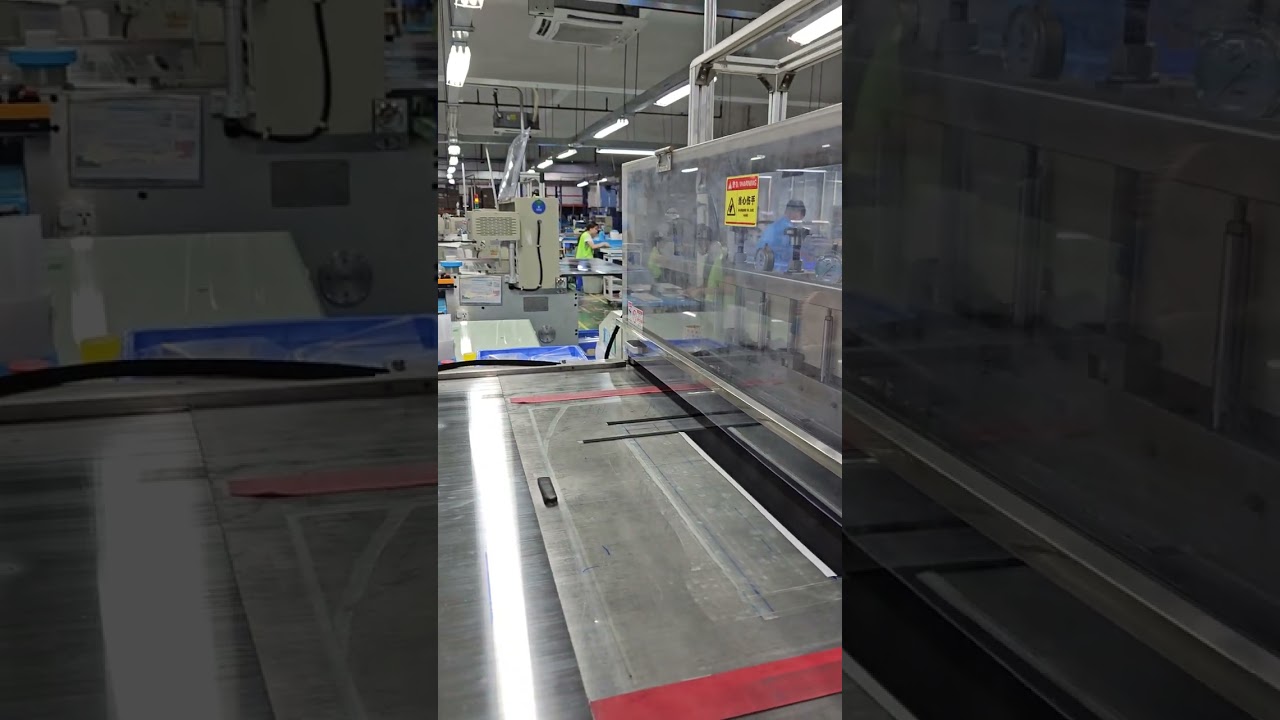
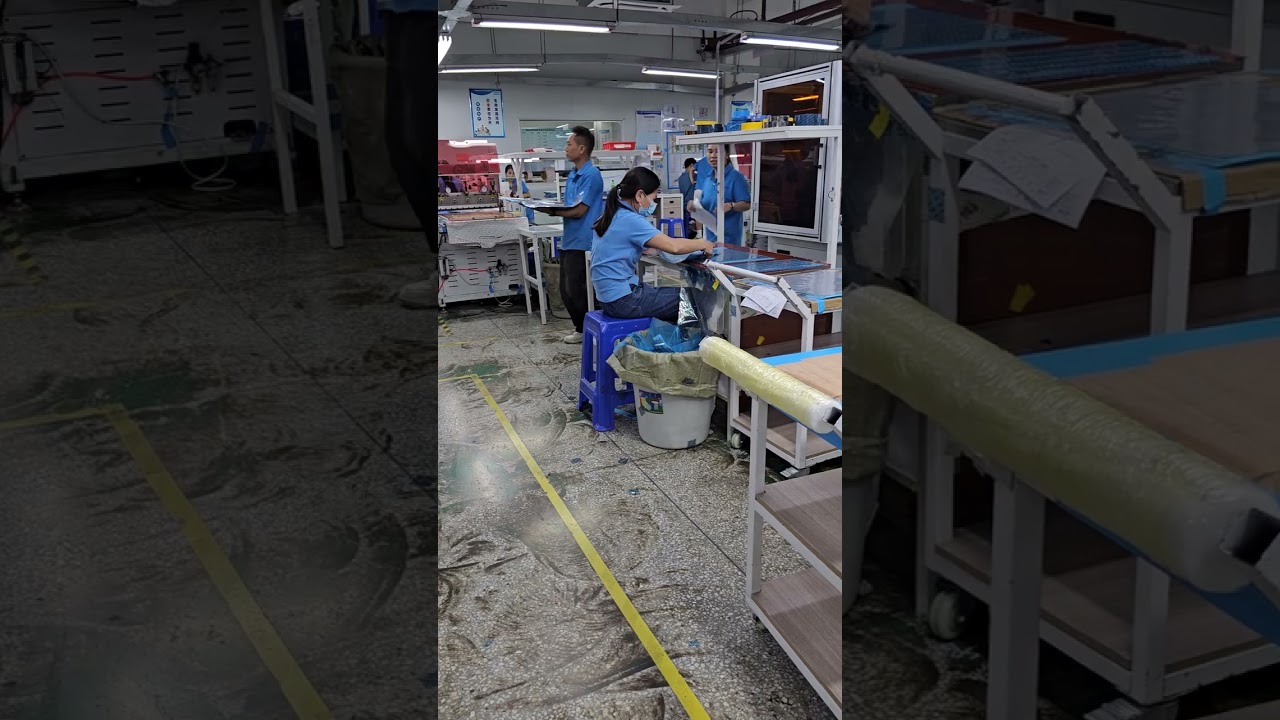
Cofan's Thermal Pad / Grease Processes
Thermal Pad / Grease
4 Videos
Applications
A thermal pad is a heat-conductive material placed between electronic components and heat sinks to improve heat dissipation by filling air gaps and ensuring efficient thermal transfer. It is commonly used in CPUs, GPUs, power transistors, and other high-performance electronics to prevent overheating and enhance reliability.
Computing Devices:
CPUs and GPUs: Thermal pads fill the microscopic gaps between the processor and the heatsink, ensuring maximum contact area and efficient heat transfer, essential for maintaining optimal performance and preventing overheating.
Memory Modules: RAM modules often use thermal pads to dissipate heat to heat spreaders, improving stability and performance during intensive tasks.
Power Electronics:
Power Transistors and MOSFETs: In power supplies and amplifiers, thermal pads are used to transfer heat from power transistors and MOSFETs to heatsinks or chassis, ensuring reliable operation and longevity.
Battery Packs: Thermal pads help manage the heat in battery packs for electric vehicles and portable electronics, maintaining safe operating temperatures and enhancing battery life.
Telecommunications:
RF Modules and Amplifiers: Thermal pads are applied to RF modules and amplifiers to efficiently dissipate heat to heatsinks or chassis, maintaining signal integrity and performance in communication devices and base stations.
Consumer Electronics:
Smartphones and Tablets: These devices use thermal pads to manage heat from processors and other components, ensuring user comfort and device reliability.
Gaming Consoles: To maintain performance during extended gaming sessions, consoles use thermal pads to dissipate heat from CPUs and GPUs to the cooling system.
Automotive Electronics:
Electronic Control Units (ECUs): Thermal pads are used in ECUs to transfer heat to the vehicle chassis or dedicated heatsinks, ensuring stable operation of critical systems.
LED Lighting: Automotive LED lights use thermal pads to manage heat and maintain light output and longevity.
Industrial Equipment:
Robotics and Automation Systems: Thermal pads ensure efficient heat transfer in robotic controllers and motor drives, maintaining operational reliability in industrial environments.
Automotive
Power Electronics
Telecommunications
Computer Devices
Consumer Electronics
Industrial Equipment
Need Something Special? Talk to Our Engineers Today.