Cofan’s vapor chamber is a type of heat spreader used in electronics and other thermal management applications, designed to efficiently distribute heat away from its source to a larger surface area for dissipation.
Structurally, a vapor chamber consists of an enclosure, typically made of metal like copper, which is sealed to maintain an internal vacuum. Inside this enclosure, there is a wick structure made of a porous material that lines the inner walls. This wick aids in the transport of the working fluid, usually a small amount of liquid such as water, which is placed inside the chamber. The vacuum environment allows this liquid to vaporize at lower temperatures.
The operation of a vapor chamber involves several steps. When heat is applied to one side of the chamber, the working fluid at that point absorbs the heat and vaporizes. The vapor then moves to cooler areas within the chamber, where it condenses back into a liquid, releasing the absorbed heat. The condensed liquid is transported back to the heated area by capillary action through the wick structure, completing the cycle.
Cofan’s vapor chambers offer several advantages. They exhibit high thermal conductivity, spreading heat more effectively than solid metal conductors due to the efficient phase change process (liquid to vapor and back). They help maintain a uniform temperature across the surface of the device, preventing hotspots and improving the longevity and performance of electronic components. Despite their efficiency, vapor chambers can be made relatively thin and lightweight, making them suitable for compact electronic devices like smartphones, laptops, and high-performance graphics cards.
These Cofan’s chambers find applications in various fields. In electronics, they are used in CPUs, GPUs, and other components to ensure efficient cooling. In aerospace, they help manage thermal loads in avionics and other spacecraft components. They are also used in LED lighting to dissipate heat generated by high-power LEDs, ensuring longer life and better performance.
What are Vapor Chambers?
A vapor chamber is a planer heat pipe, which can spread heat in two dimensions. They are typically used in high heat flux applications, or when two-dimensional spreading is required. Vapor Chamber technology enables higher CPUs, GPUs and LEDs with a higher TDP (or overclocked state) to be efficiently and effectively cooled to safe operating temperatures, extending component and product life. As shown in the diagram, the vapor chamber features a wicked design that is filled with coolant. When heated, the coolant changes phase from a liquid to a gas and back again to transfer heat.
Benefit
- Elimination of hot spot
- Better fin efficiency and equilibrium temperature
Limitation
- Size:350mm x 350mm
- Thickness: 0.5mm - 5.0mm
- Shape: Base on stamping and bending limitation
Vapor Chamber structure
Vapor Chamber's Structure
A vapor chamber is a highly efficient heat spreader used in various thermal management applications. Its structure is designed to utilize the principles of phase change and capillary action to effectively spread and dissipate heat across its surface.
Vapor Chamber Introduction
Vapor Chamber Structure
- Two-phase flow heat transfer
- Heat turns working fluid from liquid to vapor which travel to heat exchanger side
- Heat exchanger cooling down vapor back to liquid and return back to heat source side by capillary action
- Suitable for high power density heat source
design consideration
We offer bespoke designs, ensuring quick turnaround times at every stage, from prototyping to production. Our team is dedicated to delivering high-quality solutions tailored to suit specific applications from conception to realization of final products.
design technology roadmap
heat pipe vs vapor chamber
Heat Pipes
Vapor Chambers
|
Heat Pipes
|
|
Vapor Chamber
|
|---|---|---|
|
Two Phase Flow - Linear Heat Transfer
|
Heat Transfer Theory
|
Two Phase Flow 2-D and 3-D Heat Transfer
|
|
Heat Spreading (PC, Military, Aerospace, 5G/6G, LED, Projector, Graphic, New Energy) |
Application
|
Heat Spreading (PC, Military, Aerospace, 5G/6G, LED, Projector, Graphic, New Energy) |
|
Good for Multi Heat Sources on Different Surface, Complicated Structure and Anti-gravity |
Advantage
|
Good for Higher Power Density, Thin and Large Area Solution |
|
D12>100W, D10>80W, D6>40W, D5>20W, D4>18W, D3>12W, D2>8W |
Qmax
|
300*300*3(MM) >2000W, 200*200*3(MM) > 800W, 100*100*3(MM) > 600W, 80*80*3(MM) >400W, 60*60*3(MM) >200W |
|
T0.5 (20%), T0.6-1.2 (16%), T1.3-2.5 (13%), T2.5 (10%)
|
Performance after bending(90°)
|
T6 (10%), T6-T3 (20%), T3 (25%)
|
|
Tube Flattened or Bent
|
Shape
|
Complex Shape
|
|
Base Plate or Flattened / Machined
|
Mount with Heat Source
|
Direct Contact
|
|
Small Contact Area
|
Contact with Heat Source
|
Large Contact Area
|
|
Low Cost
|
Cost
|
High Cost
|
vapor chamber type
Standard
Two-piece vapor chambers feature separate evaporator and condenser sections, allowing flexible layouts and customization for specific cooling needs. They offer easy integration into various devices. One-piece vapor chambers are cost-effective, mass-produced cooling solutions, offer reliable heat dissipation for budget-friendly consumer electronics.
3D Type
3D vapor chambers have complex structures that boost heat dissipation, making them ideal for high-power electronics and gaming systems.
wick structure
Cofan’s wick structure inside a vapor chamber is a crucial component that facilitates the effective transfer of heat. A vapor chamber is a type of heat spreader that operates on the principles of phase change, similar to heat pipes, but in a flat, planar form. The wick structure plays a significant role in its operation.
The wick structure in a vapor chamber is typically made from porous materials such as sintered metal powders, metal meshes, or grooves etched into the chamber walls. This structure is designed to provide a capillary action, which helps to distribute the working fluid (usually water) across the entire surface area of the vapor chamber.
Top View
Side View
Low Density Type
High Density Type
Sintered Type
Hybrid Wick Structure
performance comparison
A heatsink with a vapor chamber typically outperforms a traditional copper heatsink, especially in applications requiring efficient heat spreading, reduced hotspots, and compact designs. Vapor chambers offer better cooling efficiency, especially for high-power electronics, though they may come at a higher cost compared to copper heatsinks.
Heat Sink with Vapor Chamber
Heat Sink with Copper Base
vapor chambers in industries
GPU/CPU
Vapor chambers efficiently spread heat across GPUs, significantly enhance heat dissipation to prevent thermal throttling, and improve device longevity and reliability by maintaining consistently lower operating temperatures.
- Process: Forming, Welding, Annealing
- Material: Aluminum
- Finish Nickel Plating
- Part No: 91.04.90021
GPU/CPU
Vapor chambers efficiently spread heat across GPUs, significantly enhance heat dissipation to prevent thermal throttling, and improve device longevity and reliability by maintaining consistently lower operating temperatures.
- Process: Forming, Welding, Annealing
- Material: Aluminum
- Finish Nickel Plating
- Part No: 91.04.90035
Medical
Vapor chambers efficiently manage heat in medical devices like MRI machines, CT scanners, and portable monitors. They offer uniform heat distribution, compact size, reliability, and quiet operation, enhancing device performance and safety.
- Process: Forming, Welding, Annealing
- Material: Aluminum
- Finish: Nickel Plating
- Part No: 91.04.90268
Automotive
Vapor chambers in automobiles enhance EV battery performance, prevent LED overheating, ensure reliable power electronics, and maintain optimal temperatures for infotainment systems, ECUs, and autonomous vehicle sensors.
- Process: Welding, Annealing
- Material: Aluminum
- Finish: Nickel Plating
- Part No: 91.04.90213
Automotive
Vapor chambers in automobiles enhance EV battery performance, prevent LED overheating, ensure reliable power electronics, and maintain optimal temperatures for infotainment systems, ECUs, and autonomous vehicle sensors.
- Process: Forming, Welding, Annealing
- Material: Aluminum
- Finish: Nickel Plating
- Part No: 91.04.90057
Laptop
Vapor chambers manage heat from light sources and internal components, effectively prevent overheating and image distortion, and ensure consistent performance and reliability during prolonged and intensive use.
- Process: Forming, Welding, Annealing
- Material: Aluminum
- Finish: Nickel Plating
- Part No: 91.04.90298
Projector
Vapor chambers evenly distribute heat, prevent hot spots, and enable thinner, lighter designs without compromising cooling. They also improve battery life and performance by maintaining optimal CPU and GPU temperatures.
- Process: Forming, Welding, Annealing
- Material: Aluminum
- Finish: Nickel Plating
- Part No: 91.04.90205
more products
cofan's vapor chamber machines
Aging Oven
Bell-type Annealing Furnace
Continuous Sintering Furnace
Helium Gas Leak Detector
High-Frequency Welding
Diffusion Welding
Function Testing
Furnace
Laser Machine
Leveling Machine
Mash Welder
Nitrogen Cabinet
Punching Machine
Punching Machine
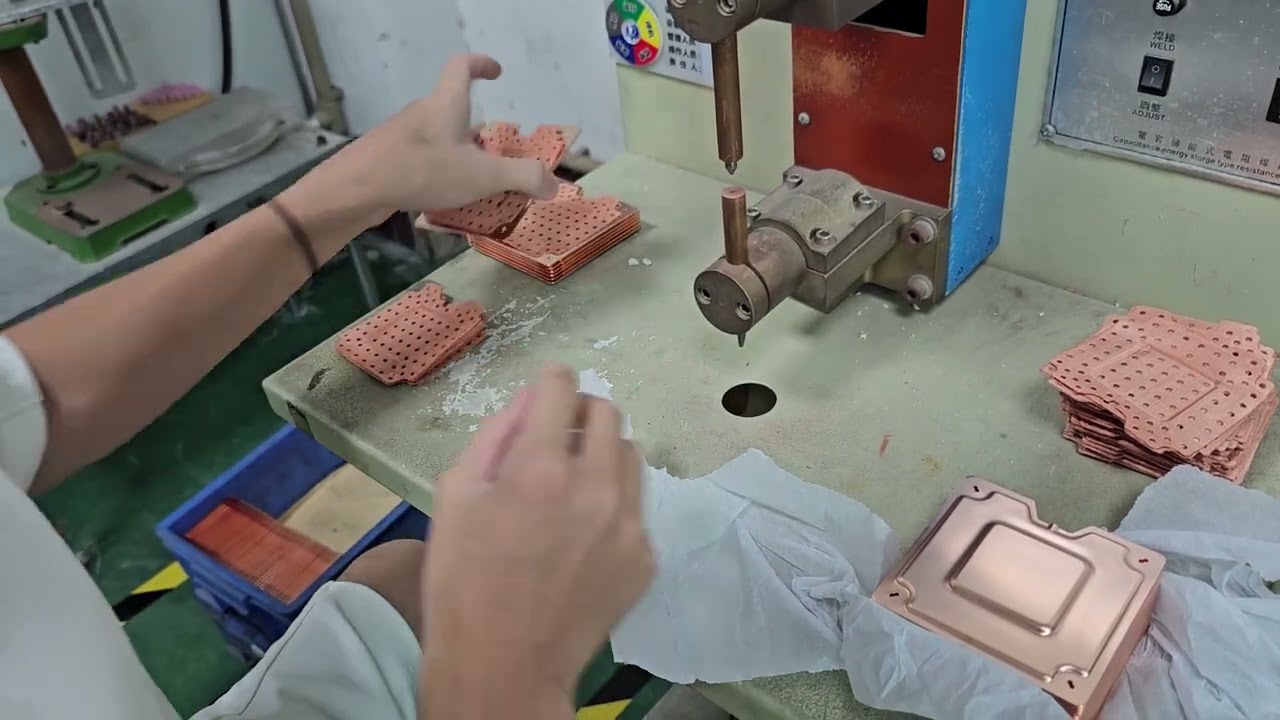
Resistance Welding
Sealing Machine
Sealing Machine
Vacuum Degassing Machine
Water Injection Machine
Wire Drawing Machine
cofan's vapor chamber process
Playlist
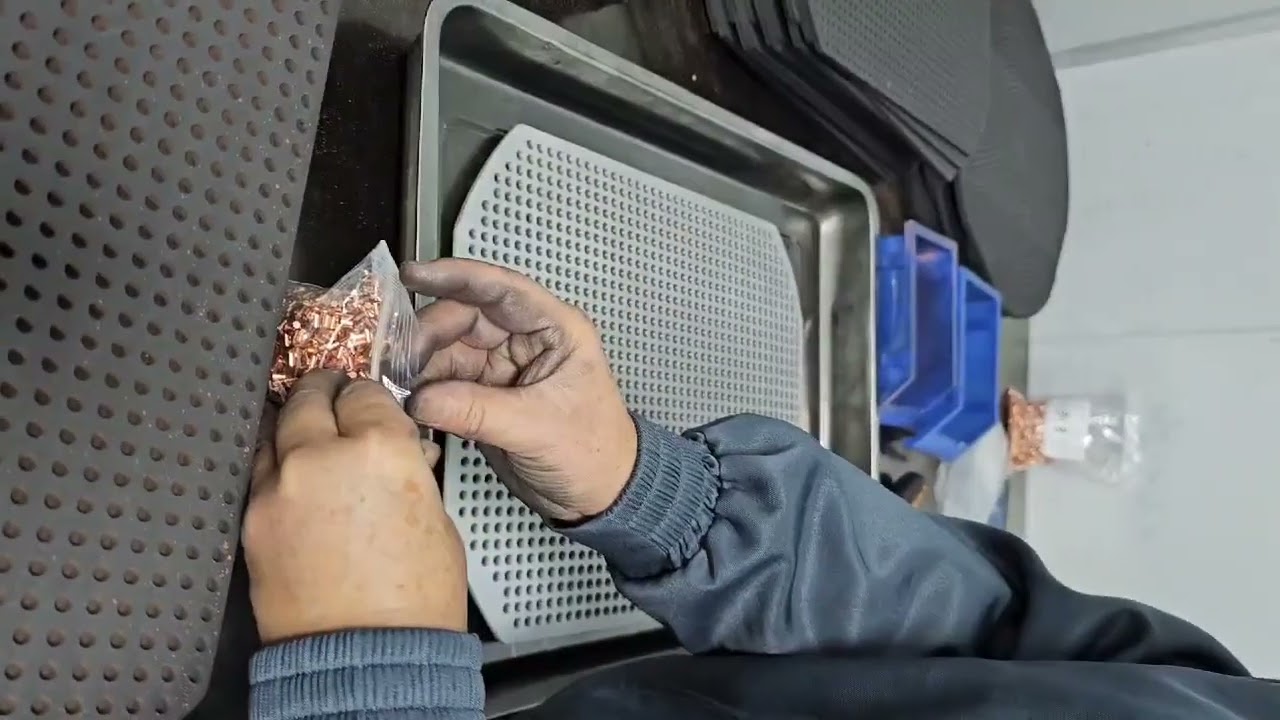
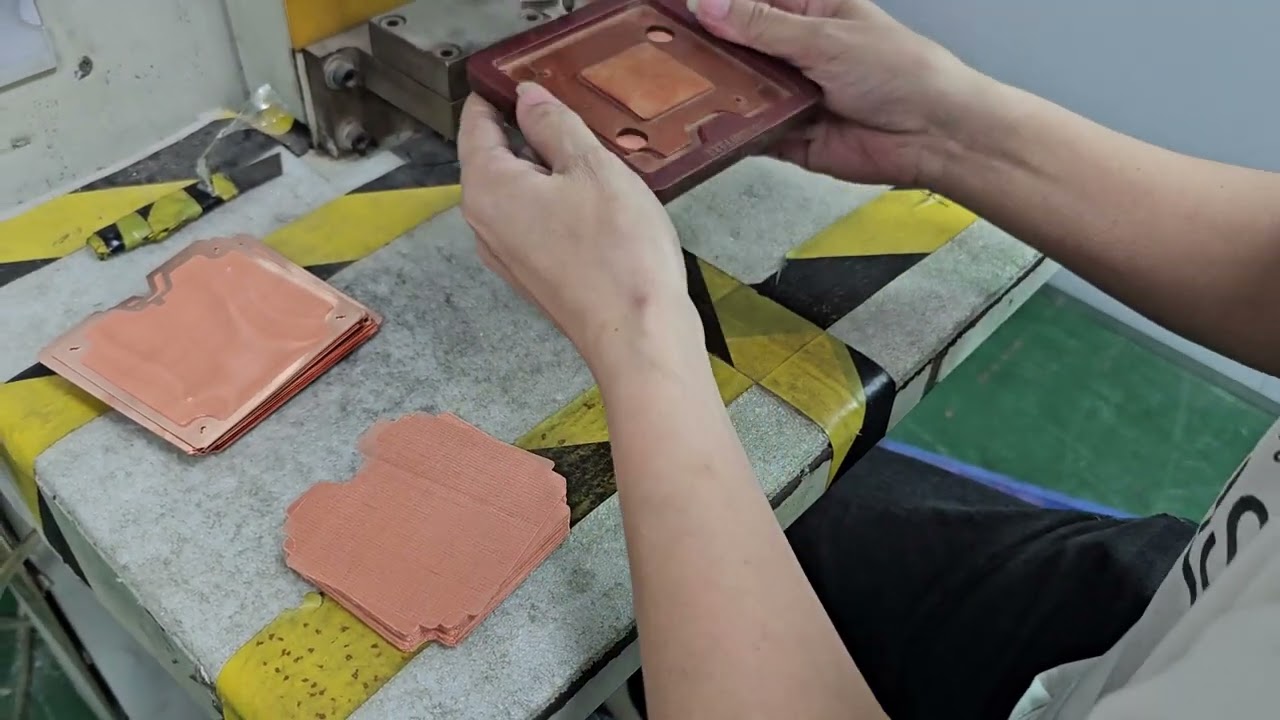
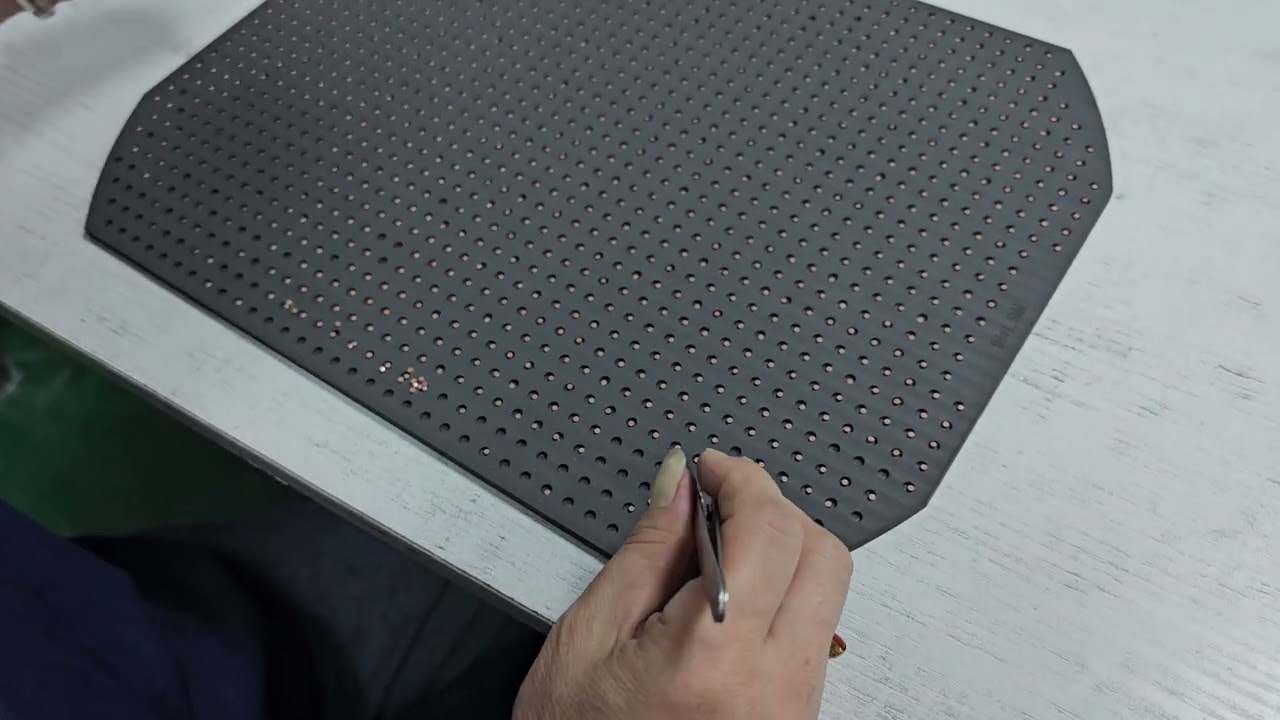
Manufacturing Processes
- Heat Spreader Forming
- Degassing Sealing
- Inspection
l
- Filling Working Fluid
- Performance Test
- Diffusion Welding
a
- Leaking Test
- Support Structure Positioning
- Surface Treatment
a
- Mesh Structure Forming
- Thermoforming
- Packing